
Reconnecting the Nervous System: Stem Cells for Spinal Cord Repair
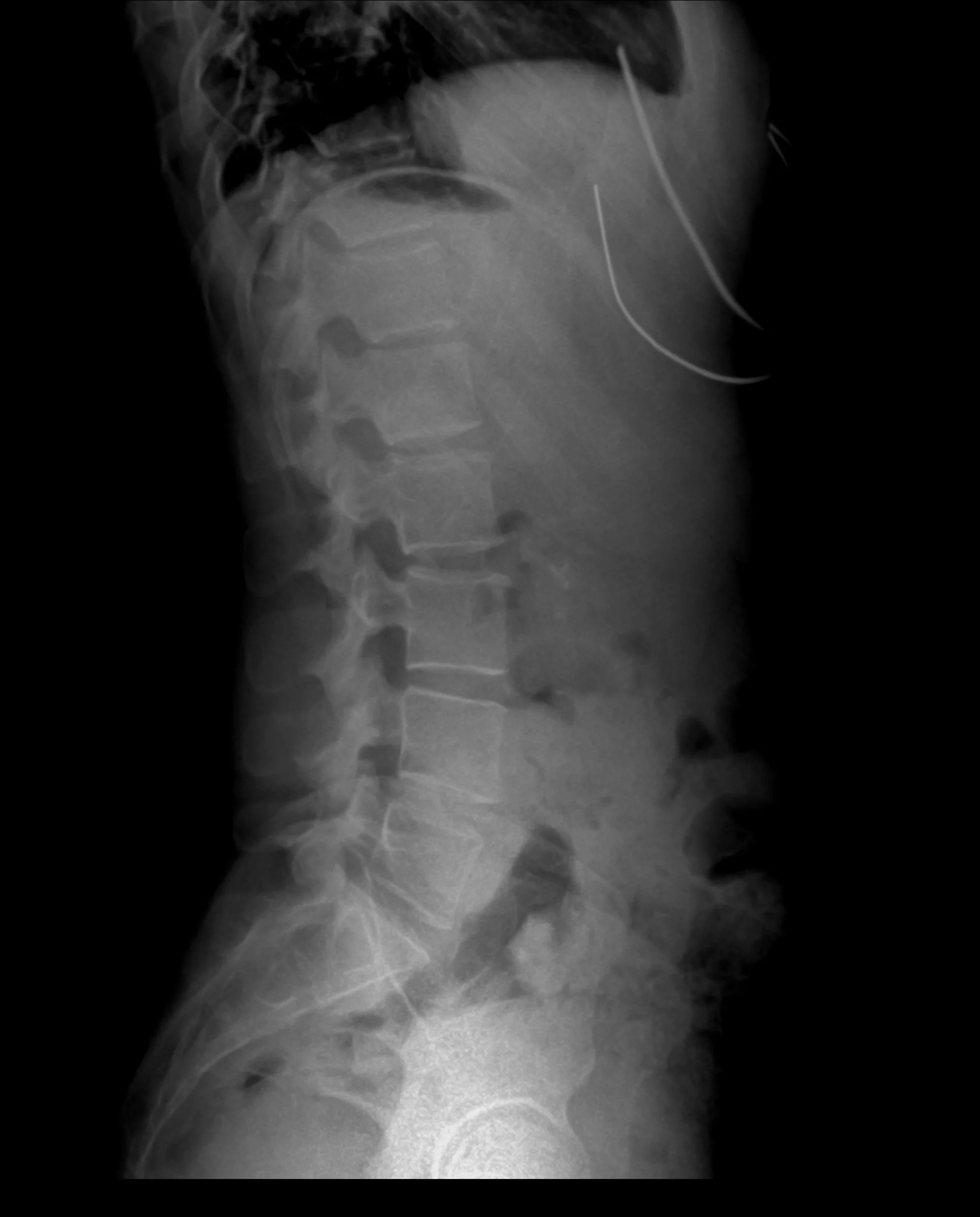
Of all the applications being explored in regenerative medicine, few carry more weight — or more urgency — than the use of stem cells for spinal cord repair. Spinal cord injury (SCI) affects an estimated 300,000 individuals in the United States alone, with approximately 18,000 new injuries occurring each year. For most patients, the current standard of care offers stabilization and rehabilitation but no mechanism for reversing the neurological damage that defines their injury. Stem cell research is beginning to alter that expectation.
The spinal cord's limited regenerative capacity stems from a combination of factors: the inhibitory environment created by scar tissue at the injury site, the death of supporting oligodendrocytes that maintain myelin sheaths around axons, and the failure of severed axons to navigate through and beyond the lesion. Stem cell-based approaches address these barriers through several complementary mechanisms. Neural stem cells and oligodendrocyte precursor cells can potentially remyelinate surviving axons, restoring signal conduction in pathways that were functionally silent. Mesenchymal stem cells exert powerful anti-inflammatory and neuroprotective effects that limit secondary injury in the critical days and weeks following the initial trauma. Exosomes derived from stem cells carry microRNAs and growth factors that modify the injury microenvironment in ways that support axonal growth.
Human clinical trials are now providing data beyond animal models. Studies using human neural stem cell transplantation in cervical SCI patients have documented improvements in upper extremity motor function in a meaningful subset of participants — gains that translate directly into independence and quality of life. Research into epidural stimulation combined with stem cell therapy has produced remarkable case reports of patients regaining voluntary movement in previously paralyzed limbs. The convergence of biological and neuromodulatory approaches may prove to be as important as any single intervention.
Patient selection, injury timing, and the specific biological preparation used all influence outcomes significantly. Patients with incomplete injuries, cervical-level lesions, and earlier intervention appear to benefit most from current protocols. This does not mean that patients with complete or lower-level injuries lack options — research into these populations is active — but it reflects the scientific reality that regenerative approaches work best when functioning neural tissue remains to support.
The science of spinal cord repair is moving faster than at any previous point in the history of neurology. For patients and families living with the consequences of SCI, the emergence of credible clinical evidence — not just animal studies, but human data — represents a meaningful shift in what is medically reasonable to hope for.
Kate Kabissky
Content Writer, NexGenEsis Healthcare
INTERESTED IN REGENERATIVE MEDICINE?
Book a free consultation to discuss your treatment options with our physicians.