
New Innovation in Healing: Stem Cell Heart Patch Shows Promise for Regenerating Damaged Heart Tissue
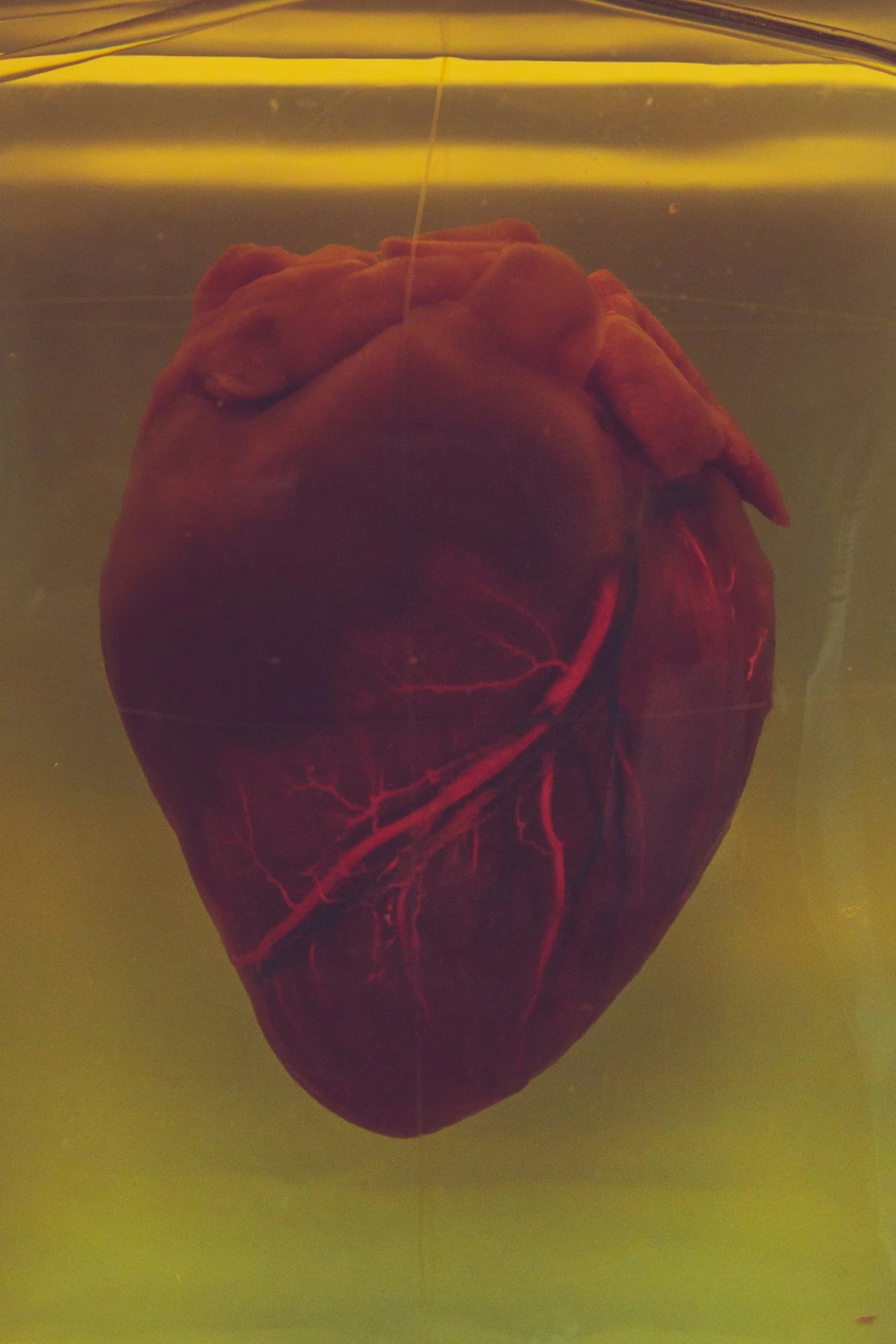
Heart disease remains the leading cause of death in the United States, and one of medicine's most stubborn challenges has been the heart's inability to regenerate muscle tissue after a cardiac event. Unlike skin or bone, the heart cannot meaningfully repair itself once cardiomyocytes — the muscle cells that power each heartbeat — are destroyed by a heart attack or chronic heart failure. That limitation has long confined treatment to management strategies rather than true restoration. A new class of regenerative technology may be beginning to change that calculus.
Researchers at several leading institutions have been developing bioengineered cardiac patches: thin, flexible scaffolds made from biocompatible materials and seeded with stem cells — most commonly cardiomyocytes derived from induced pluripotent stem cells (iPSCs) or mesenchymal stem cells (MSCs). When applied directly to the damaged area of the heart muscle, these patches are designed to integrate with surviving tissue, deliver regenerative signals, and provide structural support that encourages new muscle formation over time.
Early preclinical results in animal models have been encouraging. Studies have documented measurable improvements in ejection fraction — the percentage of blood the heart pumps out with each contraction — as well as reduced scar tissue and evidence of new cardiomyocyte activity at the patch interface. The bioengineered scaffold appears to do more than simply deliver cells: it creates a protected microenvironment where those cells can survive, communicate, and begin to differentiate into functional cardiac tissue.
The translation to human trials is underway, with early-phase studies focused primarily on safety and feasibility in patients with severe heart failure who have few remaining treatment options. While it is too early to draw conclusions about long-term efficacy, the safety profile observed in these early cohorts has been acceptable, and several participants have shown improvements in functional status and quality-of-life measures. Regulatory pathways for these devices are complex, but the field is advancing steadily.
For patients already familiar with regenerative medicine, the cardiac patch represents a natural extension of the biological principles behind stem cell and exosome therapies already used in musculoskeletal and systemic applications. The underlying mechanism — using concentrated biological agents to trigger and support the body's own repair processes — is the same. The difference is the target tissue and the delivery mechanism. As this field matures, it adds further scientific credibility to the broader proposition that the body, given the right biological tools, is capable of repair that conventional medicine long considered impossible.
Kate Kabissky
Content Writer, NexGenEsis Healthcare
INTERESTED IN REGENERATIVE MEDICINE?
Book a free consultation to discuss your treatment options with our physicians.