
Spinal Cord Stem Cell Therapies: What the Latest Research Shows
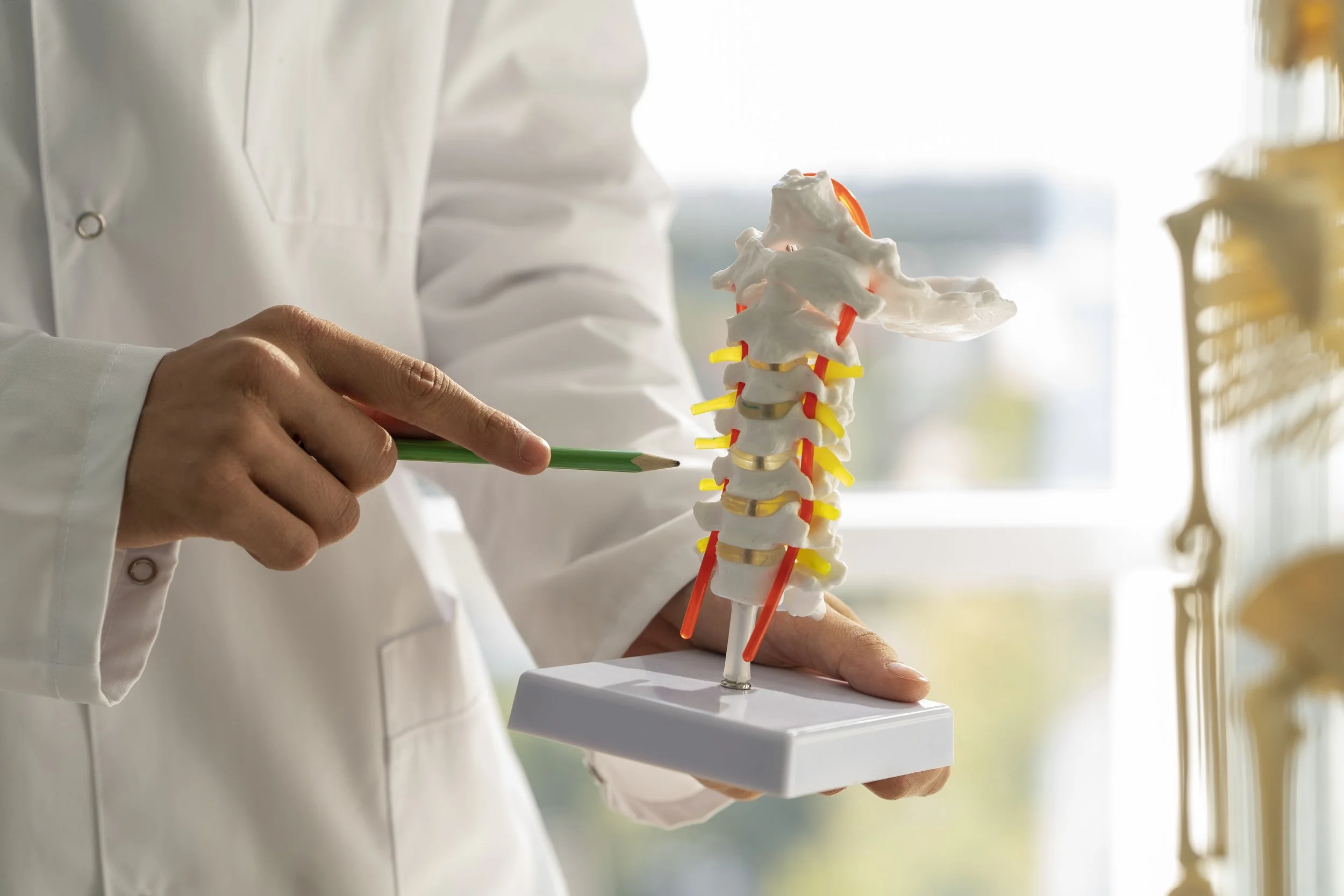
The landscape of spinal cord injury (SCI) treatment has been evolving rapidly, driven by accumulating clinical evidence that stem cell-based interventions can produce measurable neurological improvements in patients who previously had few meaningful options beyond rehabilitation. This article surveys the current state of that evidence — what the best available research shows about safety, efficacy, and the most promising directions for future development.
Safety has been the first and most essential question in SCI stem cell research, and the data on this point is now fairly robust. Multiple Phase I and Phase II trials, involving both neural stem cells and mesenchymal stem cells administered via intrathecal injection, intraparenchymal injection, or intravenous infusion, have documented acceptable safety profiles. Serious adverse events attributable to the stem cell intervention itself — as opposed to the underlying injury and its complications — have been rare across published studies. The most common procedure-related adverse events are transient and relate to the injection procedure rather than the cells themselves. This safety foundation has enabled researchers and regulators to move forward with efficacy-focused studies.
On the question of functional outcomes, the evidence is more nuanced. Studies consistently show the greatest benefits in patients with cervical-level incomplete injuries — that is, injuries in which some spinal cord continuity and function remains. In these populations, improvements in motor function, particularly in the hands and upper extremities, have been documented across multiple trials. The functional significance of these improvements should not be understated: for a patient with a C4 or C5 injury, recovering the ability to grasp, manipulate objects, or feed oneself independently represents a profound change in daily life and autonomy. For patients with complete thoracic injuries, the evidence for meaningful functional recovery is less consistent, though neuroprotective effects — slowing further deterioration — have been observed.
The timing of intervention appears to be a significant variable. Several studies suggest that the window between approximately 2 weeks and 3 months post-injury — the "subacute" phase — may represent the optimal period for stem cell administration, before secondary injury processes complete and before the inhibitory scar environment becomes fully established. Research into chronic SCI patients (more than 1 year post-injury) is ongoing, and while results are more variable, there are case reports and small series documenting improvement even in this population when combined with other neuromodulatory approaches.
Looking ahead, the most compelling frontier in SCI stem cell research involves combination strategies. Pairing cellular therapies with epidural electrical stimulation, targeted rehabilitation, and agents that modify the injury microenvironment — including certain peptides and exosome preparations — has produced results in early studies that exceed what any single intervention achieved alone. The field is increasingly recognizing that spinal cord repair will likely require a multi-modal biological strategy, and current research is focused on identifying the optimal combinations, sequences, and timing of these interventions. For patients and families following this field, the direction of the science has never been more clearly pointed toward genuine recovery.
Kate Kabissky
Content Writer, NexGenEsis Healthcare
INTERESTED IN REGENERATIVE MEDICINE?
Book a free consultation to discuss your treatment options with our physicians.